Why Glass Replacement Isn't As Easy As You Think
Understanding Glass Replacement: A Comprehensive Guide
Glass replacement is an important aspect in numerous markets, ranging from construction to vehicle. Over time, glass can suffer from damage due to numerous aspects such as weather condition, accidents, or use and tear. This post explores the various elements of glass replacement, including its significance, types, processes included, and common FAQs related to it.
The Importance of Glass Replacement
Glass is an essential element in various applications, from doors and windows to mirrors and automobile windscreens. The prompt replacement of damaged or broken glass is necessary for several factors:
- Safety Precautions: Broken glass presents a major safety threat. It can cause injuries if not replaced without delay.
- Energy Efficiency: Damaged windows can result in air leaks, increasing heating and cooling costs. Changing repairmywindowsanddoors maintain energy performance in homes and structures.
- Aesthetic Appeal: Fogged or broken glass impacts the overall appearance of any structure. New glass improves the aesthetic value considerably.
- Structural Integrity: In vehicles, undamaged glass guarantees safety and enhances the general stability of the structure, preventing additional damage.
Kinds Of Glass Replacement
Understanding the different kinds of glass can help in picking the best replacement. Broadly, glass types can be classified as follows:
1. Residential Glass
- Windows: Double-glazed or triple-glazed window systems offer insulation.
- Outdoor patio Doors: Sliding or swing doors needing tempered glass for security.
- Mirrors: Used in various sizes and densities, depending on application.
2. Commercial Glass
- Storefronts: Large panes of glass used in retail settings for presence.
- Office Partitions: Glass walls and dividers for contemporary office designs.
- Curtain Wall Systems: Used in high-rise buildings for visual and structural functions.
3. Automotive Glass
- Windscreens: Laminated security glass essential for automobile safety.
- Side Windows: Tempered glass that shatters into little pieces to reduce injury.
- Sunroofs and Rear Windows: Usually made of tempered or polycarbonate materials.
The Glass Replacement Process
The process for replacing glass differs depending upon the kind of glass and the degree of damage. Most of the times, the following actions are generally observed:
- Assessment: Professionals investigate the damage and evaluate whether replacement or repair is practical.
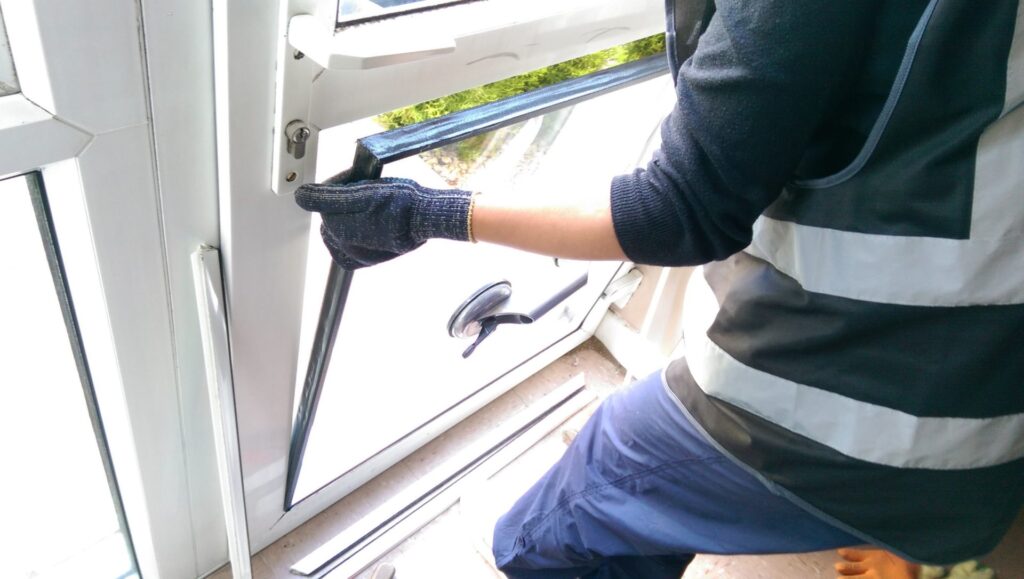
- Removal: Carefully removing the damaged glass to avoid damage to surrounding structures.
- Measurement: Accurate measurements are taken for the new glass to make sure an ideal fit.
- Choice: Choosing the suitable kind of glass (e.g., tempered, laminated, or insulated).
- Setup: Fitting the new glass into location, typically utilizing sealants and adhesives.
- Ending up Touches: Cleaning the area and guaranteeing that everything is securely set up.
Table: Comparison of Glass Types
Glass Type
Functions
Typical Applications
Tempered Glass
Stronger, shatters into little fragments
Windows, shower doors
Laminated Glass
Two or more layers bonded together; security function
Windshields, floors
Insulated Glass
Energy-efficient, decreases heat transfer
Residential windows
Soundproof Glass
Minimizes sound pollution
Offices, music studios
Often Asked Questions (FAQs)
Q1: How typically should I replace my home's windows?
A: Generally, windows must be replaced every 15-20 years, depending upon their condition and energy performance.
Q2: Can cracked vehicle glass be repaired?
A: Small fractures can frequently be fixed, but if the damage obstructs the motorist's view or is comprehensive, replacement is needed.
Q3: Is it safe to replace glass myself?
A: While minor repairs can in some cases be manageable, it's a good idea to employ specialists for replacement due to security issues and technical expertise.
Q4: What is the common expense of glass replacement?
A: Costs differ widely based on the glass type, size, and intricacy of the setup. For example, windshield replacement generally ranges from ₤ 200 to ₤ 500.
Q5: How can I guarantee the durability of changed glass?
A: Regular maintenance such as cleaning and evaluations can assist lengthen the life of newly changed glass.
Glass replacement is an essential service that ensures security, efficiency, and aesthetic worth in different applications. Understanding the significance, types, and processes included assists people make notified decisions. Whether it's for homes, offices, or automobiles, opting for professional services for glass replacement assurances both safety and durability. As damage to glass can intensify quickly, addressing problems without delay is not only practical but vital.